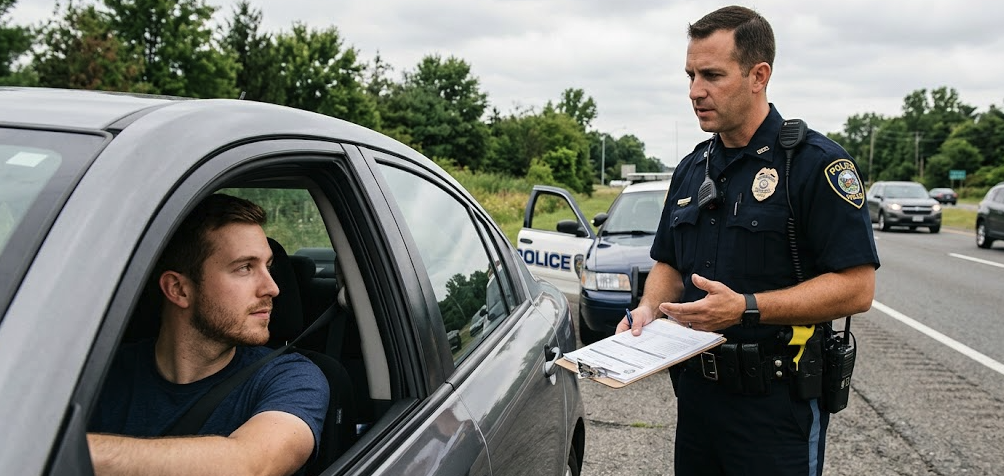
What to Do If You Are Flagged Down by a Traffic Enforcer
A roadside traffic stop is easier to handle when you stay composed, confirm authority, understand the alleged violation, and use the proper process if you need to contest a citation.
Philippines
You are driving normally, then you see it. A hand signal from the side of the road. You slow down, pull over, and start running through possibilities in your head. Speeding? Coding? Something you missed?
It is a routine situation, but it can go either way depending on how you handle it.
1. Stay composed and be courteous
The first few seconds set the tone.
Greet properly. Keep your voice even. There is no advantage in being defensive or confrontational. Even if you disagree, staying calm keeps the situation manageable.
2. Make sure the person has authority
Before anything else, confirm who you are dealing with.
Look for a uniform, an official ID, or any indication of agency. It is perfectly reasonable to ask, politely, for identification. You are entitled to know that the person stopping you is authorized to do so.
3. Ask what the violation is
Let the enforcer explain.
Do not guess or assume. Listen to what is being alleged. This helps you respond properly, whether you agree or not.
4. Show your driver’s license properly
You will likely be asked for your license.
Present it, but do not hand it over blindly. It is acceptable to ask what violation is being cited and why your license needs to be held. Keep it respectful, but stay aware of what is happening.
5. If you are clearly at fault, acknowledge it
If the violation is obvious, there is little to gain from arguing on the spot.
A simple acknowledgment, even an apology, can go a long way. In some cases, you may ask if a warning is possible, especially if it is minor. It will not always be granted, but it keeps the interaction constructive.
6. Do not offer or entertain any bribe
This is where situations go from routine to serious.
Offering money to avoid a ticket exposes you to bigger problems. Keep everything above board. If there is a violation, deal with it properly.
7. Document the encounter if needed
If something feels irregular, take note.
Look at the name and badge number of the enforcer. Note the time and location. Dashcam footage can help. CCTV in the area may also capture the interaction. You do not have to be confrontational. Just be observant.
8. Read the ticket before you leave
If a citation is issued, take a moment.
Check the details. Your name, the plate number, the location, and the specific violation. Small errors happen. It is easier to address them early than later.
9. Know how to appeal properly
If you believe the citation is wrong, do not argue on the roadside. There is a proper process.
Start by identifying the issuing authority. It could be the local traffic office or a national agency. The ticket usually indicates where to go.
File a written protest or contest within the allowed period. This often involves submitting a brief explanation of your side, along with any supporting evidence. Photos, dashcam footage, or witness statements can help.
Attend any scheduled hearing if required. This is where you present your case. Stay focused on facts. The question is whether the violation occurred as stated.
Wait for the decision. If the ruling goes against you, there may be further remedies depending on the rules of the issuing body, but those steps are more formal and may take time.
The important point is this. The roadside is not the place to win your argument. The process is.
10. Settle promptly if you accept the violation
If you decide not to contest it, pay the fine within the period given.
Delays can lead to additional penalties or issues with your license. Closing the matter quickly avoids unnecessary complications.
Being flagged down is part of driving. It does not have to turn into a stressful experience.
Handle it calmly. Know your position. Use the proper channels if you need to contest something.
Most of the time, it is a simple interaction. Keeping it that way is largely in your hands.